





Wenn Sie sich über elektrische Skateboards für den Arbeitsweg informiert haben, sind Sie wahrscheinlich auf dieselbe Frage gestoßen:
Riemenantrieb oder Nabenmotor – welcher ist für den täglichen Gebrauch sinnvoller?

Technische Daten erzählen nicht die ganze Geschichte.
Unter realen Pendelbedingungen – Ampeln, Gehwege, Hügel, das Tragen des Boards in Innenräumen – wird der Unterschied sehr schnell deutlich.
Dieser Leitfaden konzentriert sich auf Pendeln in der realen Welt, keine Marketingzahlen.
Und dabei werden wir zeigen, welche Exway-Boards passen sich naturgemäß jedem Fahrstil an..
Die Kurzfassung (falls Sie eine schnelle Empfehlung wünschen)
-
Kurze, flache Pendelstrecken in der Stadt + geringer Wartungsaufwand → Nabenmotor
-
Längere Strecken, Hügel oder schwerere Fahrer → Riemenantrieb
Das ist die Kurzfassung.
Hier erfahren Sie warum – und wie die einzelnen Exway-Platinen in die jeweilige Kategorie passen.
Was ist ein Nabenmotor?
Ein Nabenmotor ist direkt in das Rad eingebaut.
Es gibt keine Riemen oder externe Antriebsteile, wodurch das System kompakt und einfach bleibt.

Warum Nabenmotoren sich gut für Pendler eignen
1. Ruhig und diskret
Nabenmotoren sind merklich leiser als Riemenantriebe.
Für frühe Morgenstunden, gemeinsame Radwege, Campusgelände und Büroviertel ist dies ein echter Vorteil.
Dies macht Nabenantrieb-Boards besonders attraktiv für Fahrer, die ein unauffälliger, alltäglicher Pendler.
Exway-Platinen, die diesem Stil entsprechen:
2. Sehr geringer Wartungsaufwand
Da keine Riemen gespannt oder ausgetauscht werden müssen, benötigen Nabenmotoren nur minimalen Wartungsaufwand.
Für den täglichen Arbeitsweg gilt: Weniger bewegliche Teile bedeuten weniger Überraschungen.
Wenn Sie Ihr Board jeden Werktag nutzen, kommt es auf Einfachheit an.
3. Reibungslose, vorhersehbare Steuerung
Beschleunigung und Bremsen fühlen sich linear an und sind leicht zu kontrollieren.
Dies ist ideal für:
-
Neue Fahrer
-
Stop-and-go-Verkehr
-
Überfüllte Stadtwege
Für Pendler, die Wert auf Zuverlässigkeit statt auf pure Kraft legen, fühlen sich Nabenmotoren intuitiv und fehlerverzeihend an.
Wo Nabenmotoren an ihre Grenzen stoßen
-
Geringeres Drehmoment an Steigungen
-
Die Leistung nimmt bei niedrigeren Akkuständen deutlicher ab.
-
Die Rückmeldung der Straße fühlt sich gedämpfter an.
Auf flachen Strecken ist das selten ein Problem.
Bei längeren oder steileren Pendelstrecken wird es deutlicher spürbar.

Was ist ein Riemenantriebsmotor?
Riemenantriebe verwenden einen Motor, der über einen Riemen und eine Riemenscheibe mit dem Rad verbunden ist.
Sie sind darauf ausgelegt, zu liefern stärkeres Drehmoment und reaktionsschnellere Leistung, was unter anspruchsvollen Pendelbedingungen einen großen Unterschied ausmachen kann.

Warum Riemenantriebe für Pendler sinnvoll sind
1.Stärkere Bergauf-Leistung
Wenn Ihr Arbeitsweg Folgendes umfasst:
-
Hügel
-
Brücken
-
Lange Steigungen
Ein Riemenantrieb bewältigt diese Situationen mit wesentlich geringerer Belastung.
2. Souveränere Beschleunigung
Riemenantriebe reagieren schneller, wenn Sie Kraft benötigen – insbesondere an Ampeln oder beim Einfädeln in Radwege.
Dies ist besonders auffällig bei:
-
Schwerere Fahrer
-
Längere Pendelstrecken
-
Fahrer, die Rucksäcke oder Ausrüstung tragen

3. Mehr Flexibilität mit Rädern
Riemengetriebene Boards ermöglichen eine größere Auswahl an Rädern, was Folgendes bewirken kann:
-
Verbesserter Fahrkomfort auf unebenen Straßen
-
Erhöhter Grip
-
Fahrgefühl an unterschiedliche Stadtoberflächen anpassen
Diese Flexibilität ist wertvoll für Pendler, die täglich auf unebenen Straßen unterwegs sind.
Vor- und Nachteile von Riemenantrieben
-
Mehr mechanisches Geräusch
-
Gürtel sind Verschleißteile und müssen gelegentlich ersetzt werden.
-
Etwas höherer Wartungsaufwand im Vergleich zu Nabenmotoren
Für viele Pendler überwiegen die Vorteile in puncto Leistung diese Nachteile – letztendlich ist es aber eine persönliche Entscheidung.

Vergleich in realen Pendelszenarien
Kurze, flache Pendelstrecken in der Stadt
Ein Nabenmotor ist in der Regel die bessere Wahl.
Wenn Ihre tägliche Fahrt unter ~10 km (6 Meilen) lang ist, größtenteils flach verläuft und das Tragen des Boards in Innenräumen beinhaltet:
-
Nabenmotoren fühlen sich leichter und leiser an.
-
Sie sind im Alltag leichter zu handhaben.
Boards wie Ripple (Hub) oder Wave/Flex in Nabenkonfigurationen Sie passen perfekt zu diesem Anwendungsfall.
Längere Strecken oder hügelige Routen
Riemenantrieb ist die bessere Option.
Wenn Ihre Route Höhenunterschiede, längere Strecken oder eine gleichbleibende Geschwindigkeit beinhaltet:
-
Riemenantriebe bieten mehr Drehmomentreserve
-
Die Leistung bleibt im Laufe der Zeit konstanter.
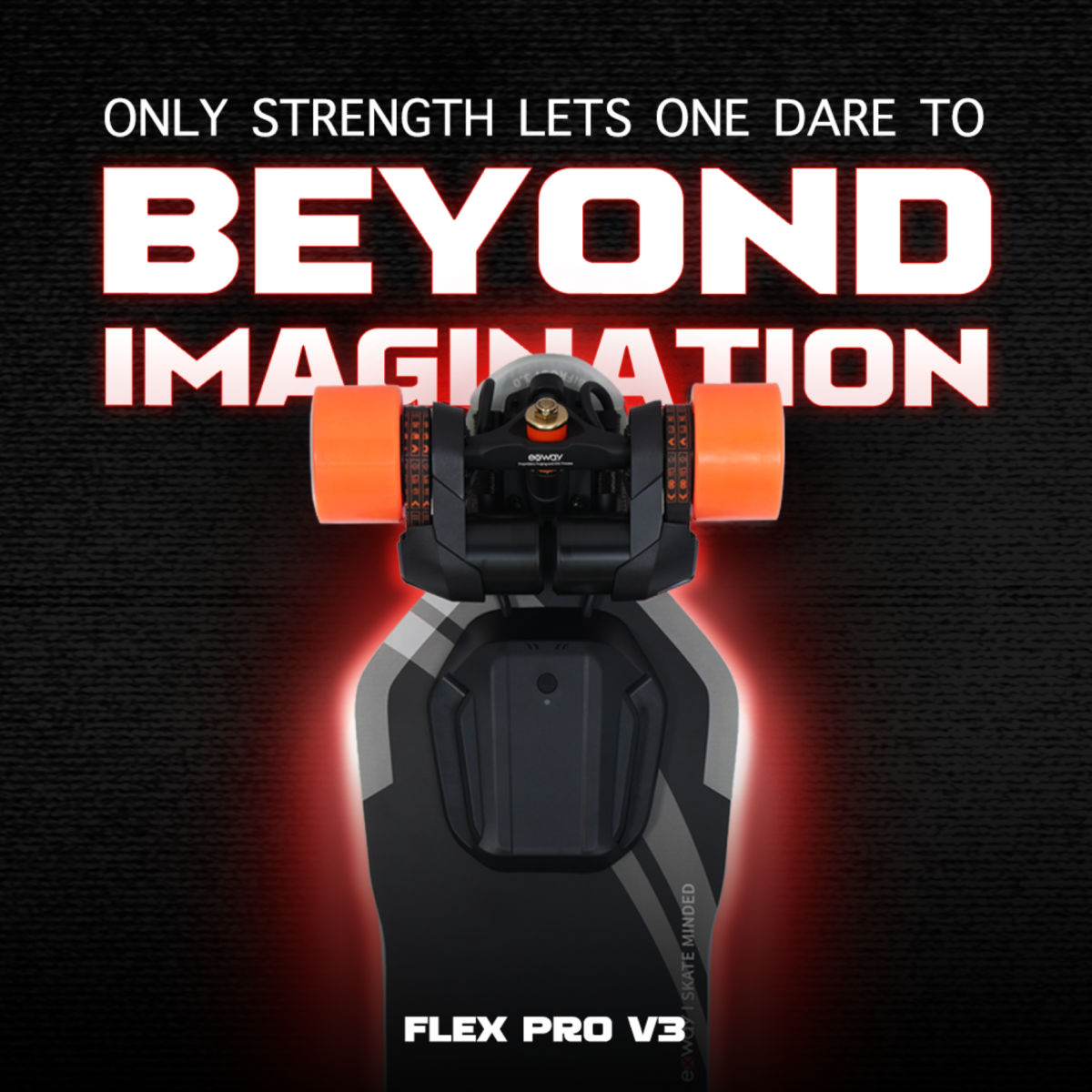
Boards wie Flex Pro V3, Flex 2 Pro (Gürtel) oder Atlas sind für diese Art des Pendelns besser geeignet.
Lärm, Wartungsaufwand und Alltagstauglichkeit
Diese Faktoren sind oft wichtiger als die technischen Daten.
-
Empfindlich gegenüber Lärm? → Nabenmotor
-
Sie wünschen sich ein möglichst unkompliziertes Besitzerlebnis? → Nabenmotor
-
Sind Sie mit leichtem Wartungsaufwand für bessere Leistung einverstanden? → Riemenantrieb
Beim Pendeln geht es nicht um Höchstleistungen.
Es geht um Zuverlässigkeit, Beständigkeit und Vertrauen – jeden einzelnen Tag.
Wie Sie die richtige Autobahntafel für Ihren Arbeitsweg auswählen
Frage dich selbst:
-
Ist meine Strecke überwiegend flach oder beinhaltet sie Hügel?
-
Soll ich Ruhe oder Leistung priorisieren?
-
Wie oft trage ich mein Board bei mir?
-
Möchte ich minimalen Wartungsaufwand oder maximale Flexibilität?
Sobald Sie diese Fragen ehrlich beantwortet haben, wird der richtige Motortyp – und damit die richtige Exway-Platine – klar.
Schlussbetrachtung
Es gibt kein universell „besseres“ Motorsystem.
Es gibt nur ein besser geeignet für Ihren täglichen Arbeitsweg.
Ein Board, das zu deiner Fahrstrecke und deinen Gewohnheiten passt, wird sich mit der Zeit einfacher, sicherer und angenehmer anfühlen – weit mehr als die Jagd nach Höchstgeschwindigkeit oder technischen Daten.
👉 Entdecke die elektrischen Skateboards von Exway — von kompakten, nabengetriebenen Pendlerfahrrädern bis hin zu leistungsstarken, riemengetriebenen Modellen — und finden Sie die Konfiguration, die am besten zu Ihren täglichen Fahrten passt.